For more than 90 years, Marinite® has played an important role in industrial manufacturing, fire protection, and high-temperature applications. Known for its combination of thermal insulation, structural strength, and fire resistance, BNZ Materials' Marinite lineup became a trusted material across a wide range of demanding industries.
The Origins of Marinite: A Response to the Morro Castle Disaster
Marinite's history dates back to a patent from the mid-1930s, when BNZ Materials developed the product to address an urgent need for improved fire protection in marine vessels.
According to the Asbury Park Historical Society, on September 8, 1934, the SS Morro Castle, a luxury passenger ship traveling from Havana, Cuba, to New York City, caught fire off the coast of New Jersey. The disaster claimed 137 lives, including passengers and crew members, and exposed serious shortcomings in maritime fire safety.
The ship had been a popular passenger vessel, offering regular service between New York and Havana. In fact, the Morro Castle was extremely popular during Prohibition as a legal way to enjoy alcohol during international voyages.
But things changed in the early morning hours of September 8 when a fire was discovered in a storage area of the ship. The flames spread rapidly throughout the vessel, engulfing much of its interior within approximately 30 minutes. The ship's predominantly combustible interior contributed to the speed and severity of the fire. Electrical systems were damaged, communication capabilities were lost, and the crew struggled to coordinate an effective response. Many passengers were unable to reach safety, and numerous lifeboats were never successfully launched.
The tragedy prompted renewed scrutiny of maritime fire safety regulations and the importance of containing fires before they could spread throughout a vessel. According to BNZ Materials' Marinite technical literature:
"Subsequent subcommittee investigations reconfirmed the 1929 SOLAS (Safety of Life at Sea) Convention recommendation of fire-resistant bulkheads to confine the fire.
It was then that Marinite panels were developed to fill the recognized need for noncombustible, fire-resistant bulkheads for U.S. flag ships built under U.S.C.G. regulations."
Marinite was developed to help address this need, providing a noncombustible panel material suitable for fire-resistant bulkhead construction. What began as a solution to an important maritime safety challenge would eventually become a widely used industrial insulation and fire protection material.
From Marine Fire Protection to Industrial Manufacturing
While Marinite was originally developed for marine fire protection, its applications expanded considerably over the following decades. Its combination of thermal insulation, mechanical strength, and resistance to demanding operating conditions made it useful in numerous industrial environments.
Different Marinite grades were developed for different performance requirements, including applications involving molten metals, high-temperature equipment, structural insulation, and fire protection.
Some of its established applications included:
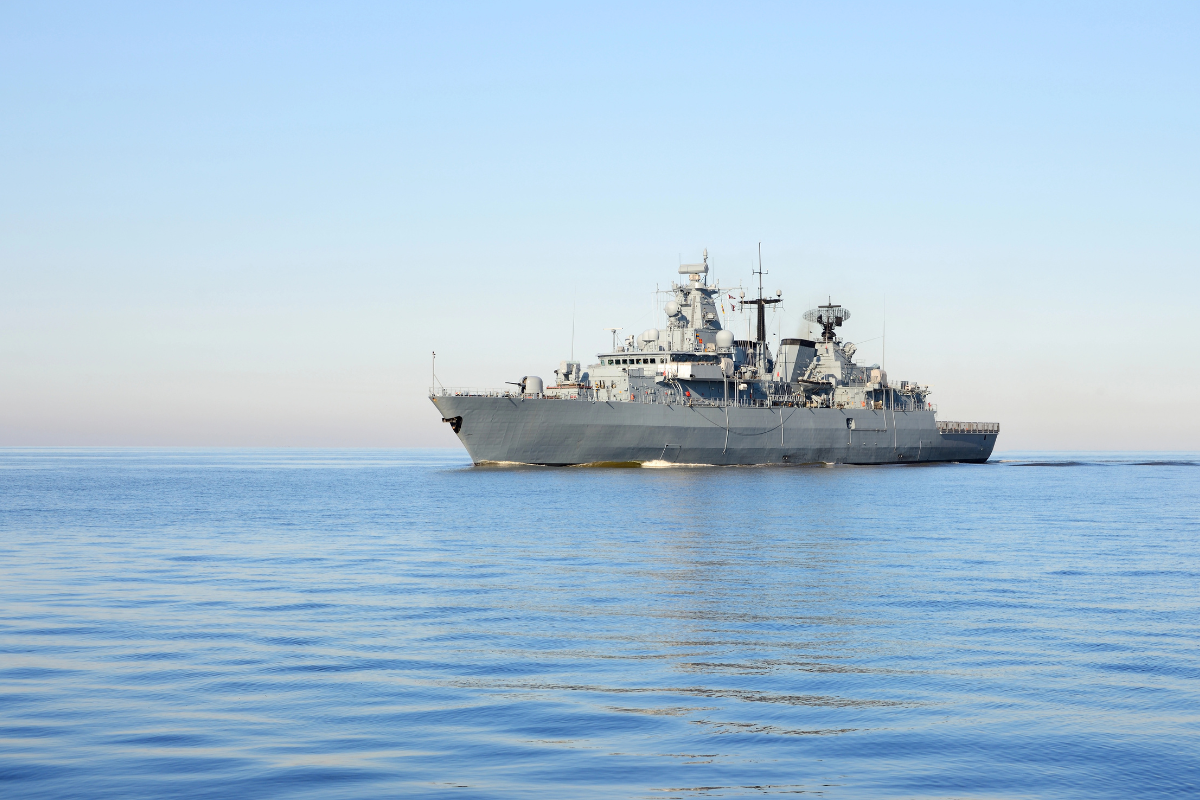
Marine and Offshore Construction
Fire-resistant bulkheads and partitions
Interior wall and ceiling linings
Insulation for passenger vessels, cargo ships, and tankers
Offshore drilling rigs and platforms

Foundries and Metal Processing
Molten aluminum handling and transfer equipment
Foundry troughs, spouts, baffles, and filter boxes
Continuous casting equipment
Holding furnace linings
Ladle, tundish, and other molten-metal backup insulation
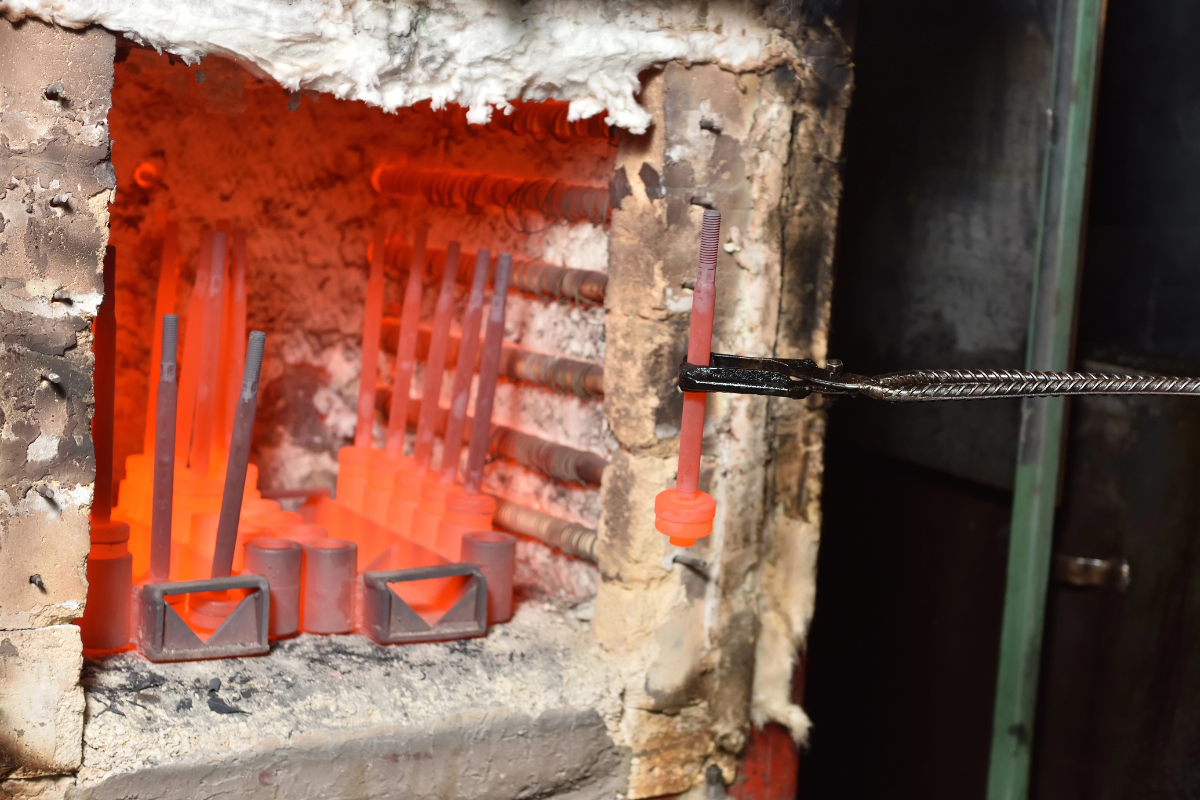
Industrial Heating and High-Temperature Equipment
Industrial oven and furnace walls
Rotary kiln and steel ladle backup insulation
Press platen insulation
Induction furnace components
Soldering and welding insulation
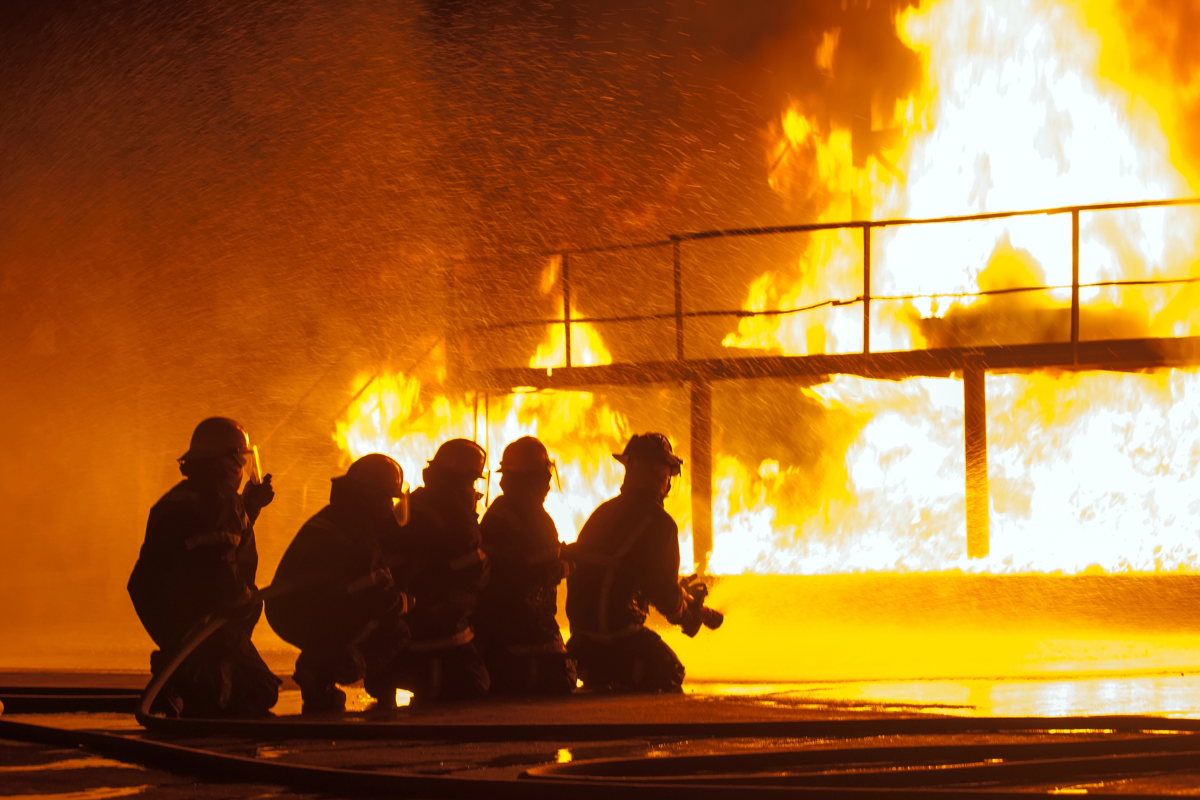
Fire Protection and Electrical Applications
Fire door cores and fire-resistant assemblies
Fire training burn buildings
Cable trays and personnel protection
Custom-machined fire-resistant and insulating components
Why Manufacturers Continued to Rely on Marinite 90 Years Later
Industrial materials must do more than simply withstand high temperatures. They need to perform consistently, maintain their physical properties, and withstand the mechanical and environmental demands of their intended applications.
For decades, manufacturers selected Marinite for a combination of performance characteristics that made it particularly useful in demanding environments. Some of its key advantages included:
Non-Wetting Properties
Certain Marinite grades are particularly well suited to molten-metal applications. Their non-wetting characteristics help prevent molten metal from adhering to material surfaces, supporting cleaner handling and reducing contamination concerns.
Low Overall Cost
Material selection involves more than the initial purchase price. Durability, fabrication requirements, service life, and maintenance all contribute to the overall cost of an industrial material. Marinite's combination of properties made it a practical choice for many applications.
Damage Resistant and Non-Corroding
Marinite's mechanical durability and resistance to corrosion made it suitable for demanding industrial environments where materials may be exposed to repeated handling, mechanical stress, or challenging operating conditions.
Low Shrinkage
Dimensional stability is important in high-temperature applications. Low shrinkage helps materials maintain their intended dimensions and fit during thermal exposure, reducing the potential for gaps, movement, or changes that could affect equipment performance.
Thermal Shock Resistance
Rapid temperature changes can place significant stress on industrial materials. Thermal shock resistance helps Marinite withstand changing thermal conditions without the same susceptibility to damage associated with less suitable materials.
Easily Machined
Marinite panels can be cut, drilled, shaped, and machined into custom components. This makes them useful for applications requiring more than standard insulation boards, including fabricated parts, spacers, baffles, and other specialized components.
The End of an Era: BNZ Discontinues Marinite Production
After more than nine decades of production, BNZ Materials discontinued its Marinite product line in 2026.
The decision marks a significant change for manufacturers and industrial operations that have relied on these materials for years. With no new production to replenish the supply, remaining inventory has become increasingly important for companies that need to maintain existing equipment, complete projects, or continue using established material specifications.
Although alternative materials are becoming available, replacing a dicontinued material is not necessarily a straightforward process. Different applications have different requirements for temperature resistance, mechanical strength, thermal conductivity, and machinability.
Remaining BNZ Materials’ Marinite Inventory Available Through Red Seal
Although BNZ Materials has discontinued production, Red Seal currently has remaining inventory of select Marinite® grades.
For manufacturers who depend on these materials, purchasing available inventory may provide an opportunity to maintain existing operations while evaluating longer-term replacement options.
Red Seal currently has remaining inventory of:
Marinite® A – A high-density, high-hardness board commonly used in molten aluminum handling, metal processing, and high-temperature industrial applications.
Marinite® I/M – Structural insulation panels designed to combine mechanical strength with thermal and acoustical insulation, including marine and industrial applications.
Marinite® P – A self-supporting structural insulation board offering high compressive strength and thermal insulation for fire protection and heat-processing applications.
Inventory is limited and availability may change. Contact Red Seal to discuss current stock, material specifications, and availability.