The Materials That Stand Between Fire and Failure
Extreme heat changes materials fast.
Under sustained high temperatures, materials can weaken, crack, warp, or break down long before visible failure occurs. And once heat begins moving through a structure, hidden damage can spread far beyond the point of flame exposure.
That’s why high-temperature thermal protection materials are engineered not just to resist fire, but to slow heat transfer and contain thermal energy.
What Extreme Heat Actually Does to Structures
As temperatures rise, structural materials begin reacting long before visible failure occurs. Steel softens and loses load-bearing strength. Concrete can crack or spall under thermal stress. Conventional insulation materials break down, shrink, or lose effectiveness. As heat moves deeper into a structure, fasteners, supports, and connected assemblies can weaken as well.
Plus, repeated heat exposure introduces another challenge: thermal cycling. Simply put, as materials expand and contract through repeated temperature changes, hidden structural damage can gradually develop over time.
Passive vs. Active Fire Protection
When people think about fire protection, they usually think about active systems like sprinklers and alarms.
But passive fire protection plays an equally important role in structural integrity.
Passive fire protection systems are those built into the structure itself. Their job is to resist heat transfer, contain fire, and delay structural failure for as long as possible.
But it’s not just about delaying the spread of fire. Unlike active systems that respond after a fire begins, passive systems work continuously to slow heat transfer and protect critical assemblies behind the scenes.
The goal is not simply to survive direct flame exposure. It is to control how heat behaves inside the structure.
The Non-Metallic Materials Engineered for Extreme Heat
Different environments place different demands on thermal protection materials. Some applications prioritize lightweight insulation, while others require structural strength, machinability, dimensional stability, or electrical resistance under extreme temperatures.
Lightweight Thermal Protection
Materials like Super Firetemp® L are designed for applications where thermal resistance and reduced weight are equally important.
With low-density construction and temperature ratings up to 1,800°F, lightweight thermal boards help reduce heat transfer without adding excessive structural load.
Common applications include:
Marine insulation systems
Industrial enclosures
Passive fire protection assemblies
Thermal containment applications
Structural + Thermal Performance
Some applications demand more than insulation alone. Materials such as Marinite P, Marinite I & M, and Super Firetemp® S are designed to provide both thermal resistance and structural performance.
These boards are commonly selected for:
Fire doors
Tunnel systems
Furnace assemblies
Fire training structures
Structural fire-resistant assemblies
High-Strength Industrial Heat Boards
Industrial systems often require materials capable of maintaining integrity under continuous thermal stress.
Boards such as CS85, Transite HT, and Transite 1000 are valued for:
Machinability
Electrical resistance
Dimensional stability
High-density thermal performance
These materials are frequently fabricated into custom OEM components, electrical insulation systems, transportation assemblies, and industrial processing equipment. They are designed not just to survive heat exposure, but to maintain performance while doing it.
Where These Materials Are Used
High-temperature composite boards and thermal insulation systems are used across a wide range of industries where heat containment and structural protection are essential.
Public Infrastructure & Tunnel Systems
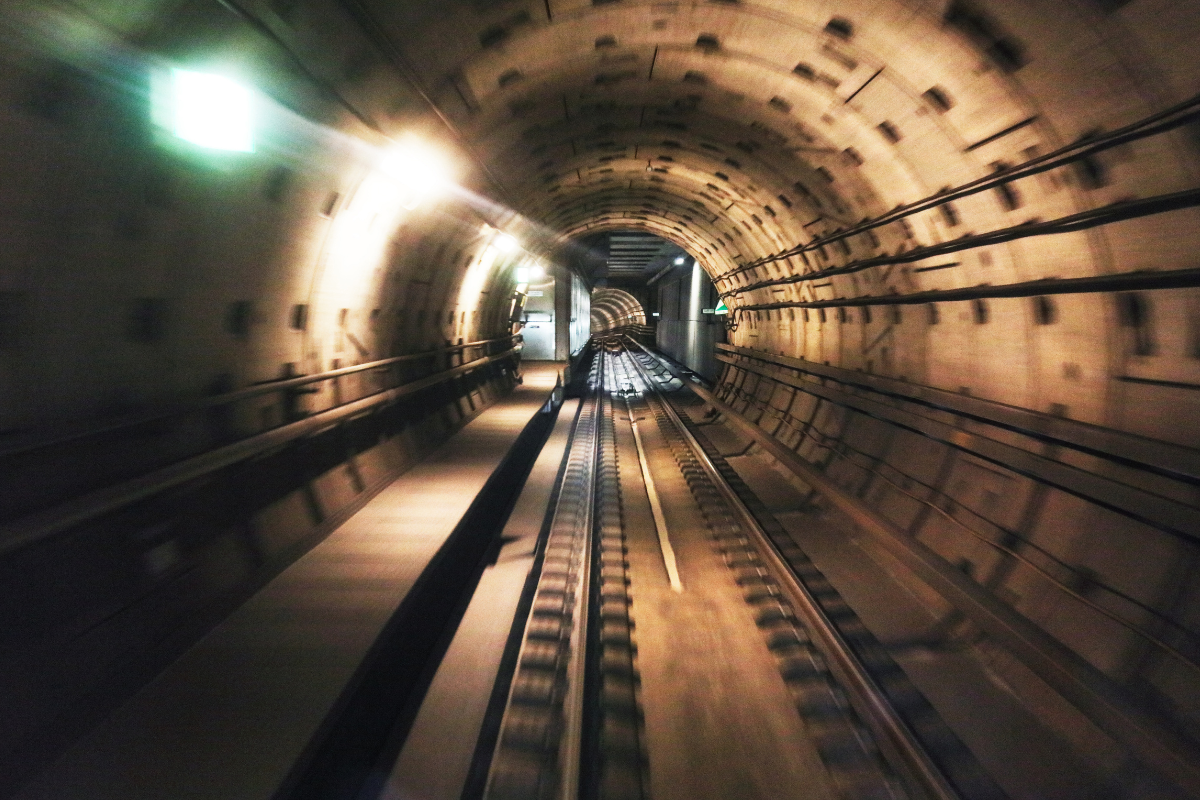
Tunnel fires can reach temperatures capable of compromising structural systems in minutes.
Passive fire protection materials help shield structural steel and concrete, slow heat transfer, and support compartmentalization strategies designed to contain both heat and smoke.
Marine & Shipbuilding Applications
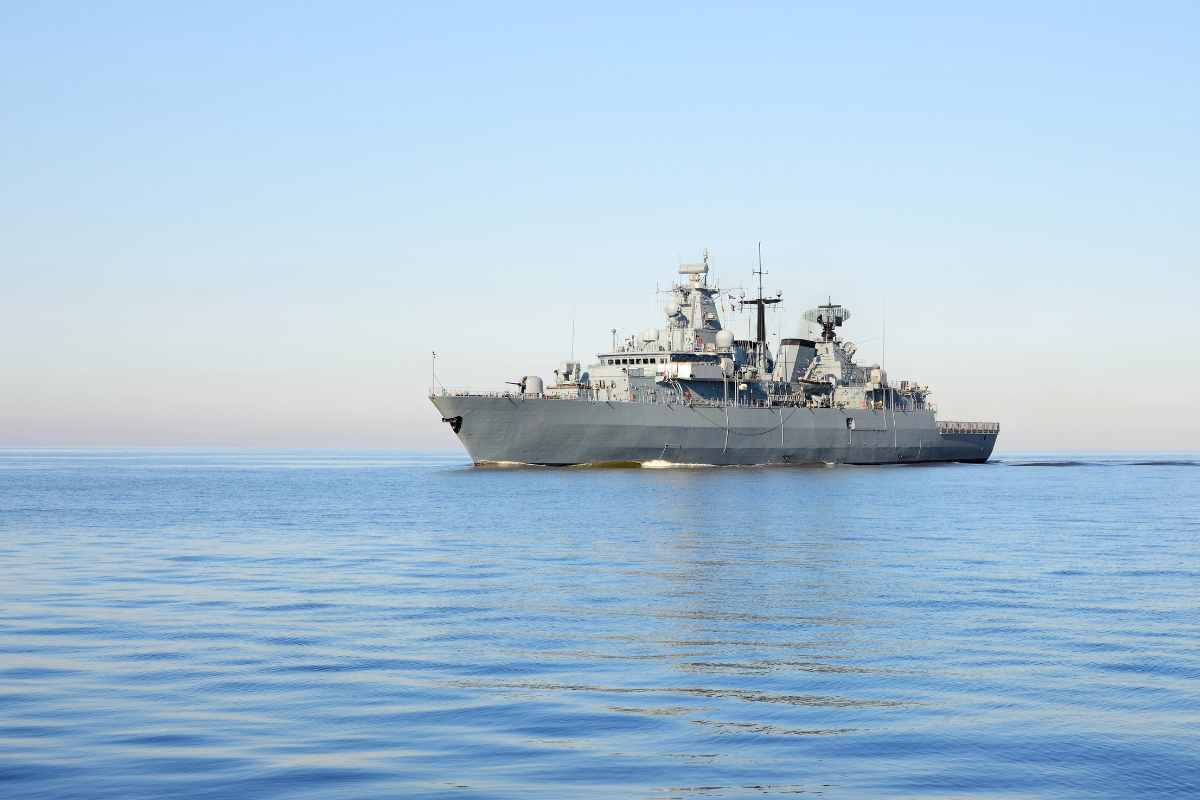
Marine environments present unique challenges where thermal resistance, dimensional stability, and reduced weight all matter.
Common marine applications include:
Engine room insulation
Fire-rated bulkheads
Thermal shielding systems
Equipment enclosures
Commercial Construction & Passive Fireproofing
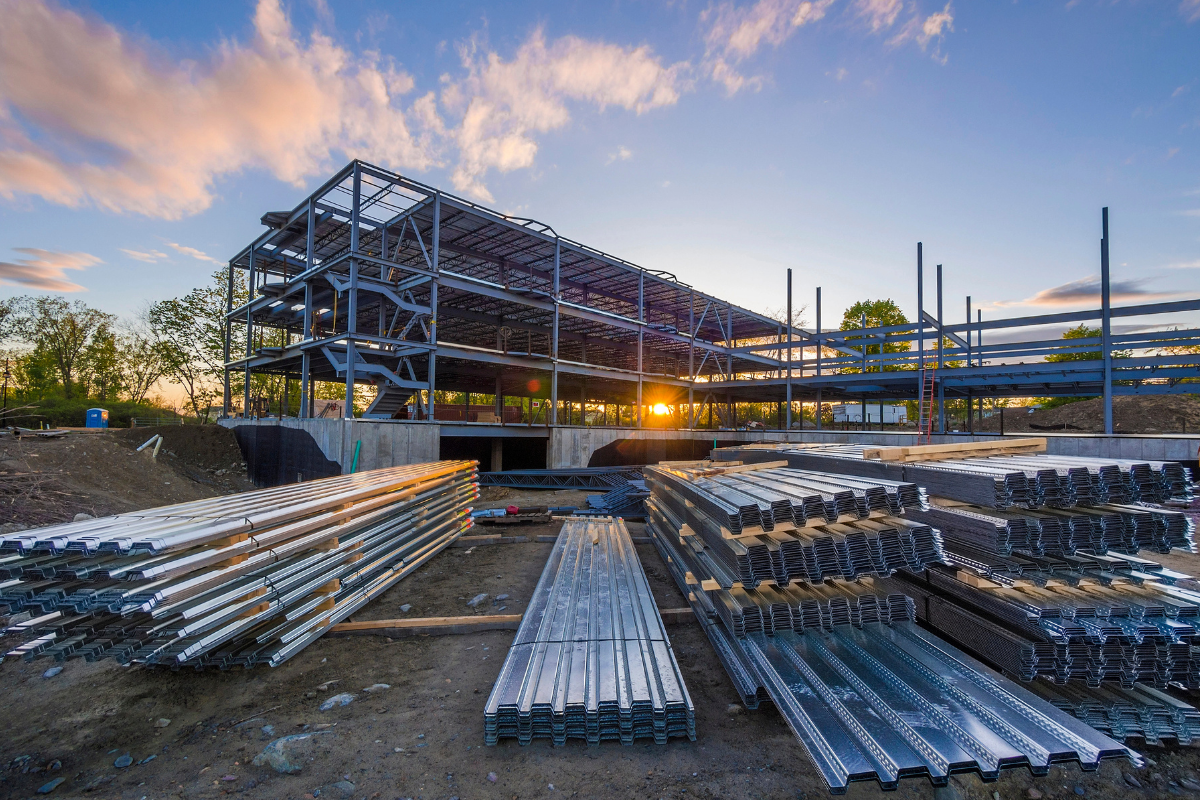
Modern fireproofing systems increasingly rely on engineered non-metallic materials for:
Shaft wall systems
Mechanical room protection
Fire barriers
Equipment enclosures
Thermal separation assemblies
These systems help delay structural failure and reduce heat transfer throughout the building envelope.

Industrial Furnaces & Process Equipment
Industrial heat-processing environments place constant stress on surrounding materials.
Applications include furnaces, kilns, ovens, and other heat containment systems. These environments require materials capable of resisting shrinkage, cracking, thermal degradation, and long-term dimensional instability.
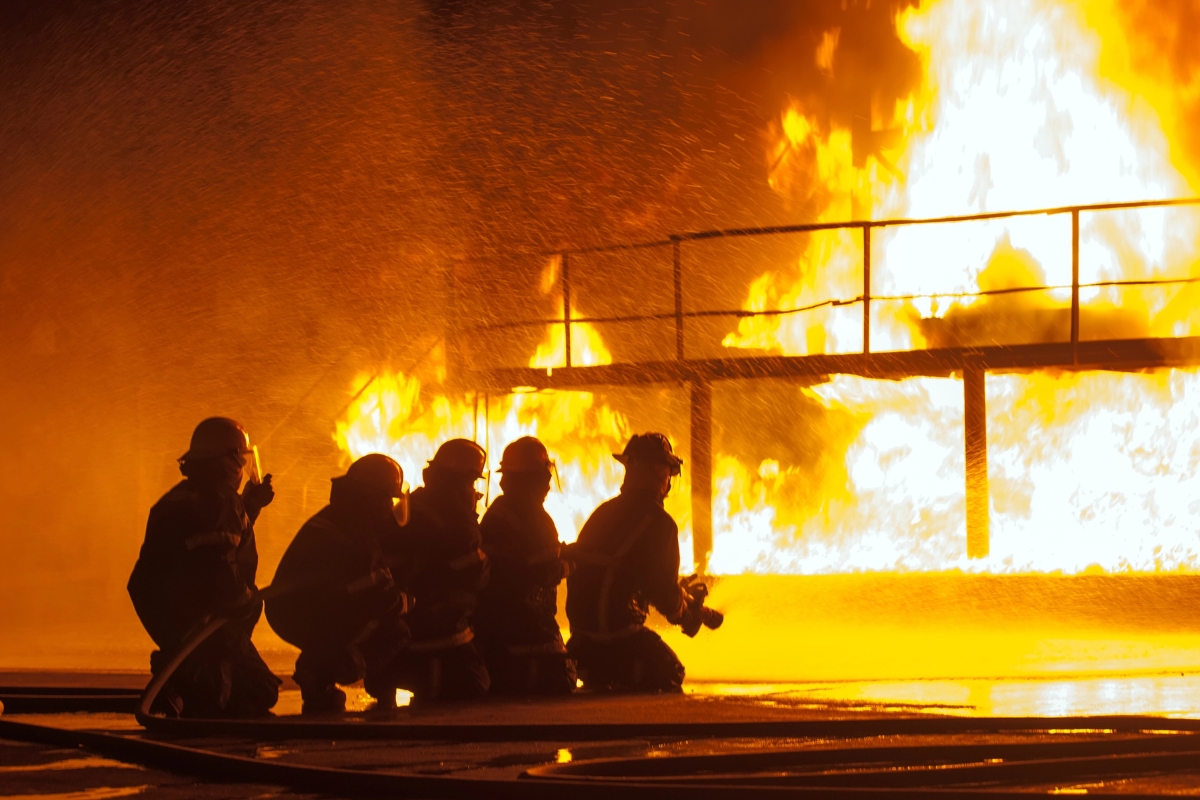
Burn Buildings & Fire Training Structures
Fire training facilities are exposed to repeated high-heat events by design.
Unlike many structures that may experience a single fire event, burn buildings endure continual thermal cycling, direct flame exposure, and long-term structural fatigue.
Thermal protection boards are often used as replaceable barrier systems designed to withstand repeated exposure while protecting the underlying structure.
Why Material & Fabrication Partner Selection Matters
There is no universal “fireproof board.” A lightweight marine insulation panel may not meet the demands of an industrial furnace assembly. A structurally rigid board may also perform differently under repeated thermal cycling than under intermittent heat exposure. Every application requires balancing multiple performance factors, including:
Thermal conductivity
Density
Compressive strength
Weight
Temperature rating
Machinability
Electrical resistance
Long-term durability
Dimensional stability
Selecting the right material means understanding both the environment and the long-term performance demands of the application.
At Red Seal, we specialize in non-metallic part fabrication. With a wide range of composite materials in stock— including fiberglass, mica, phenolics, calcium silicate boards, and more— Red Seal supports both material selection and precision fabrication for industrial applications.
Whether you need help selecting materials, reviewing specifications, or fabricating custom components, the Red Seal team is here to help. Contact our team today to get started.